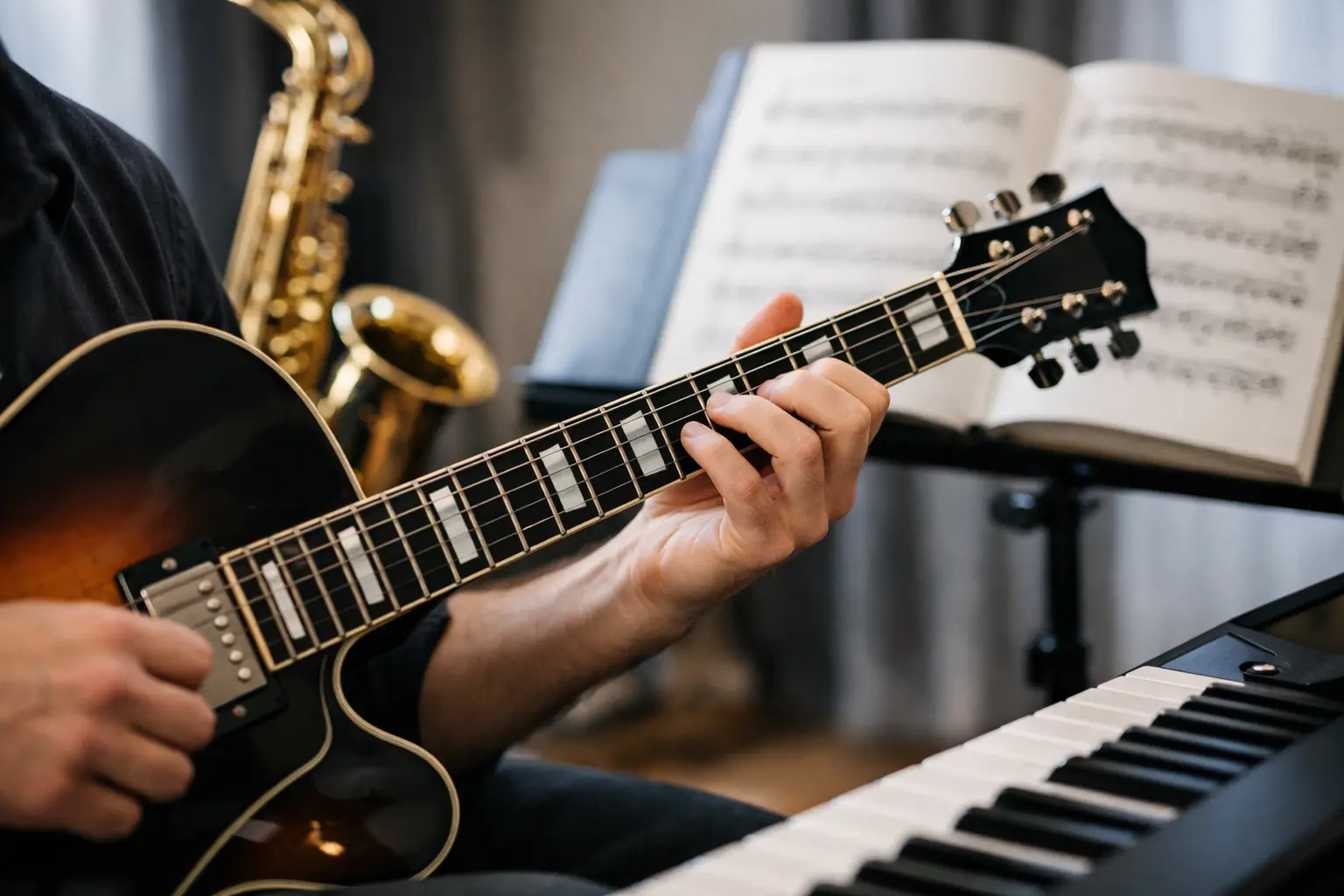
How to Memorize Jazz Chords Faster
Learn how to memorize jazz chords with simple patterns, ear training, and repeatable practice that builds real recall on your instrument.
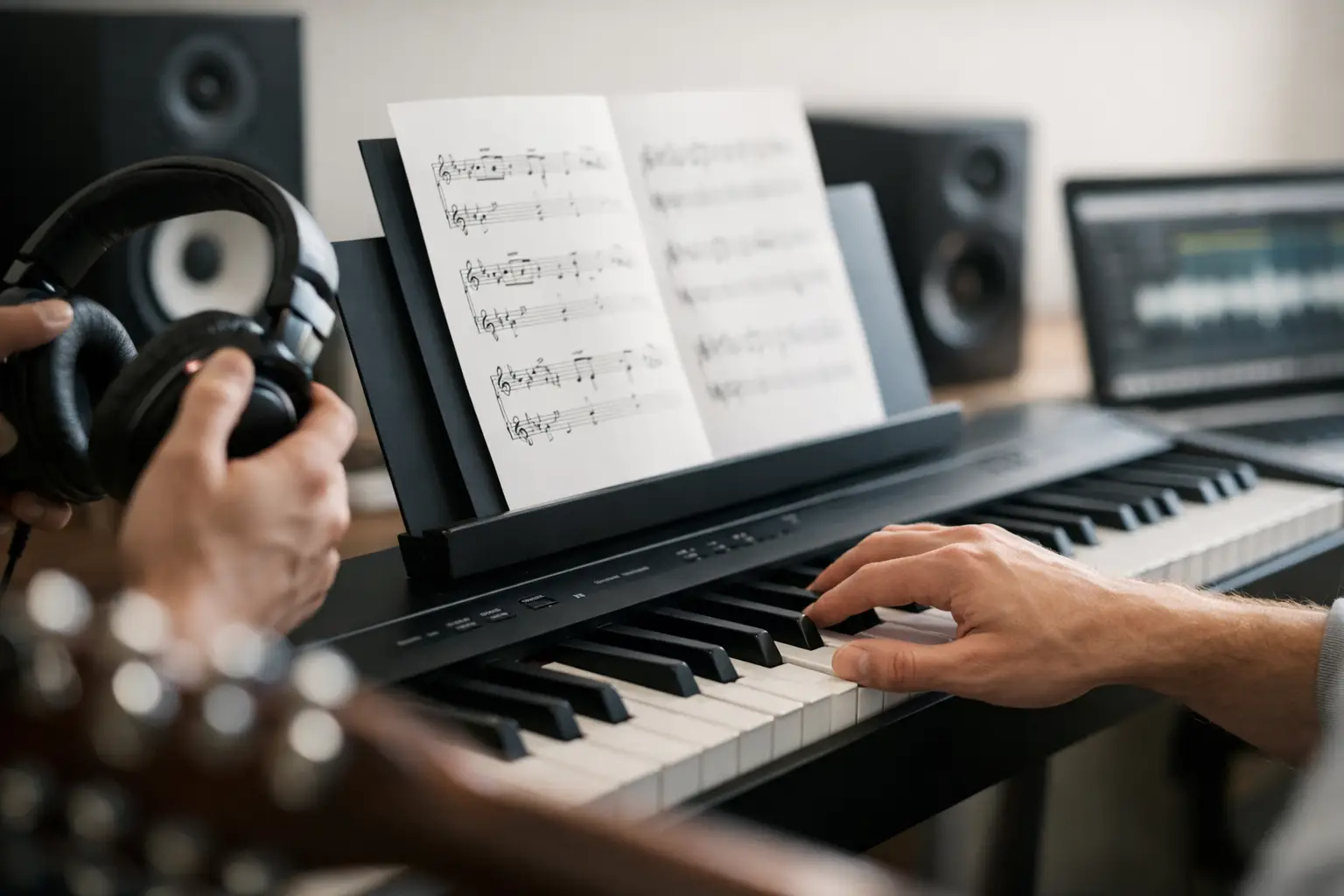
How to Hear Chord Movement Clearly
Learn how to hear chord movement with simple ear training, bass-line focus, and repeatable exercises that build real jazz fluency fast.
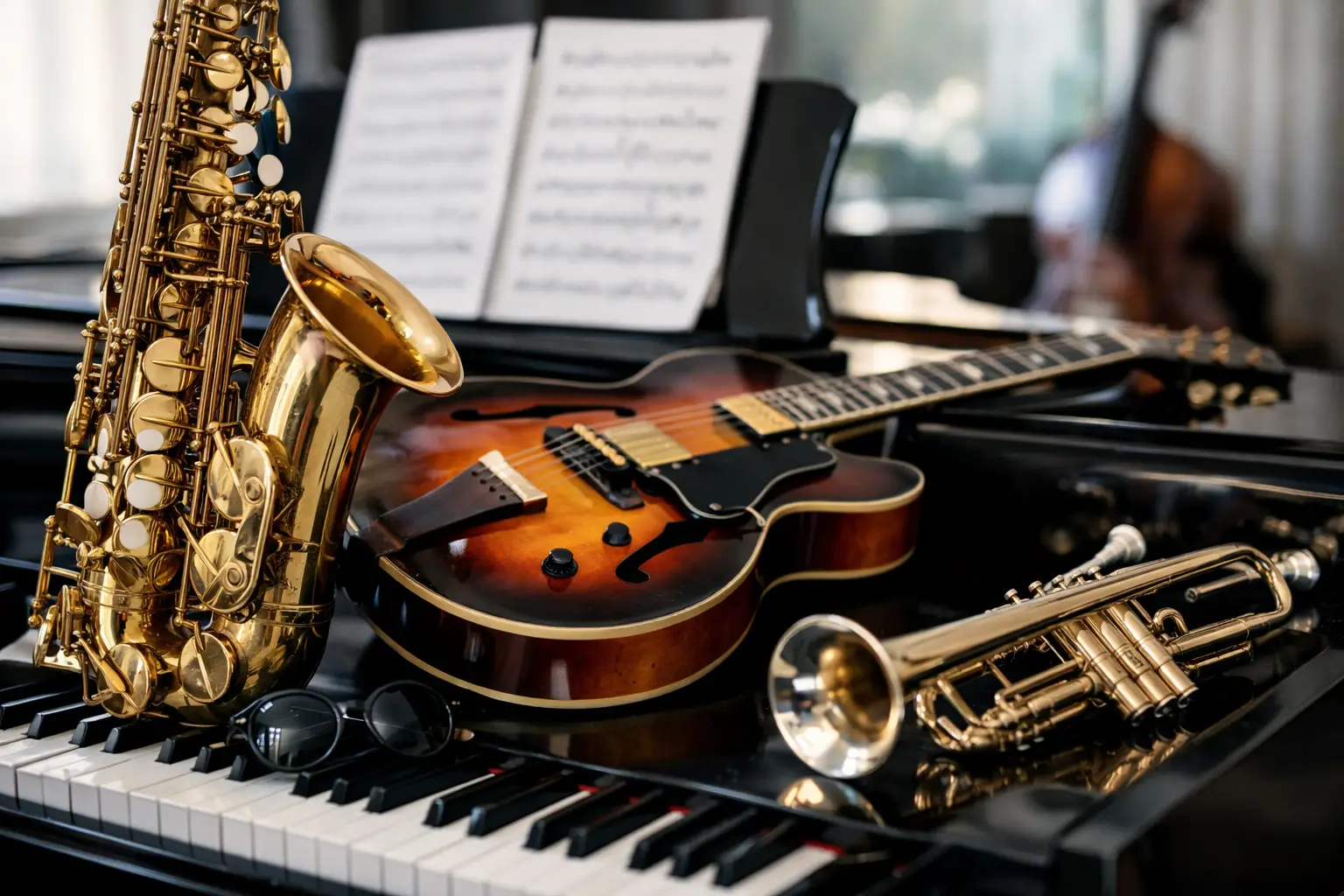
A Clear Guide to Bebop Vocabulary
A clear guide to bebop vocabulary for jazz musicians who want practical ways to hear, practice, and use classic lines with real fluency.
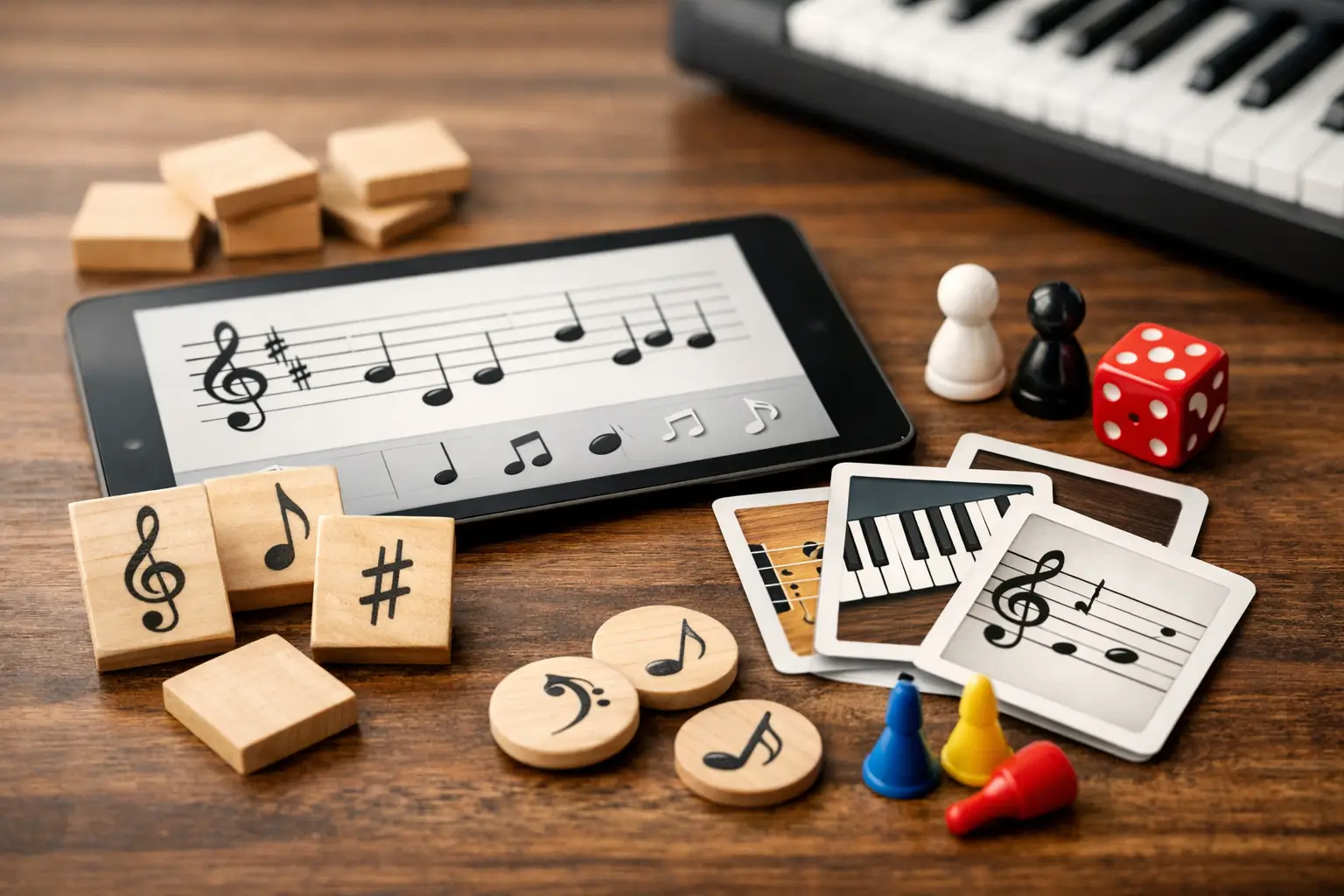
7 Music Theory Games for Adults That Work
Discover music theory games for adults that build real skills in rhythm, chords, ear training, and jazz fluency without dull drills.
How to Start Learning Jazz and Keep Going
How to start learning jazz without feeling lost: build your ears, rhythm, harmony, and vocabulary with a simple practice system that sticks.
Why a Gamified Music Theory App Works
See why a gamified music theory app helps musicians build jazz fluency faster through repetition, feedback, and focused practice.
How to Structure Jazz Practice That Sticks
Learn how to structure jazz practice with a simple, repeatable routine that builds vocabulary, time, ear training, and real fluency.
Jazz App vs Method Book: Which Works Better?
Jazz app vs method book: compare feedback, structure, motivation, and retention to find the best way to build real jazz fluency.
Jazz Vocabulary for Improvisation That Sticks
Build jazz vocabulary for improvisation with clear, repeatable practice. Learn phrases, shapes, rhythm, and connection without the guesswork.
What a Jazz Language App Should Teach
A jazz language app should build vocabulary, ear training, and recall through active practice so players learn jazz with clarity and momentum.
How to Internalize Bebop Language
Learn how to internalize bebop language with clear practice methods that build real jazz fluency through listening, singing, mapping, and play.
What Makes a Great Bebop Practice App?
A great bebop practice app turns jazz language into repeatable, engaging training that builds fluency, recall, timing, and real musical control.
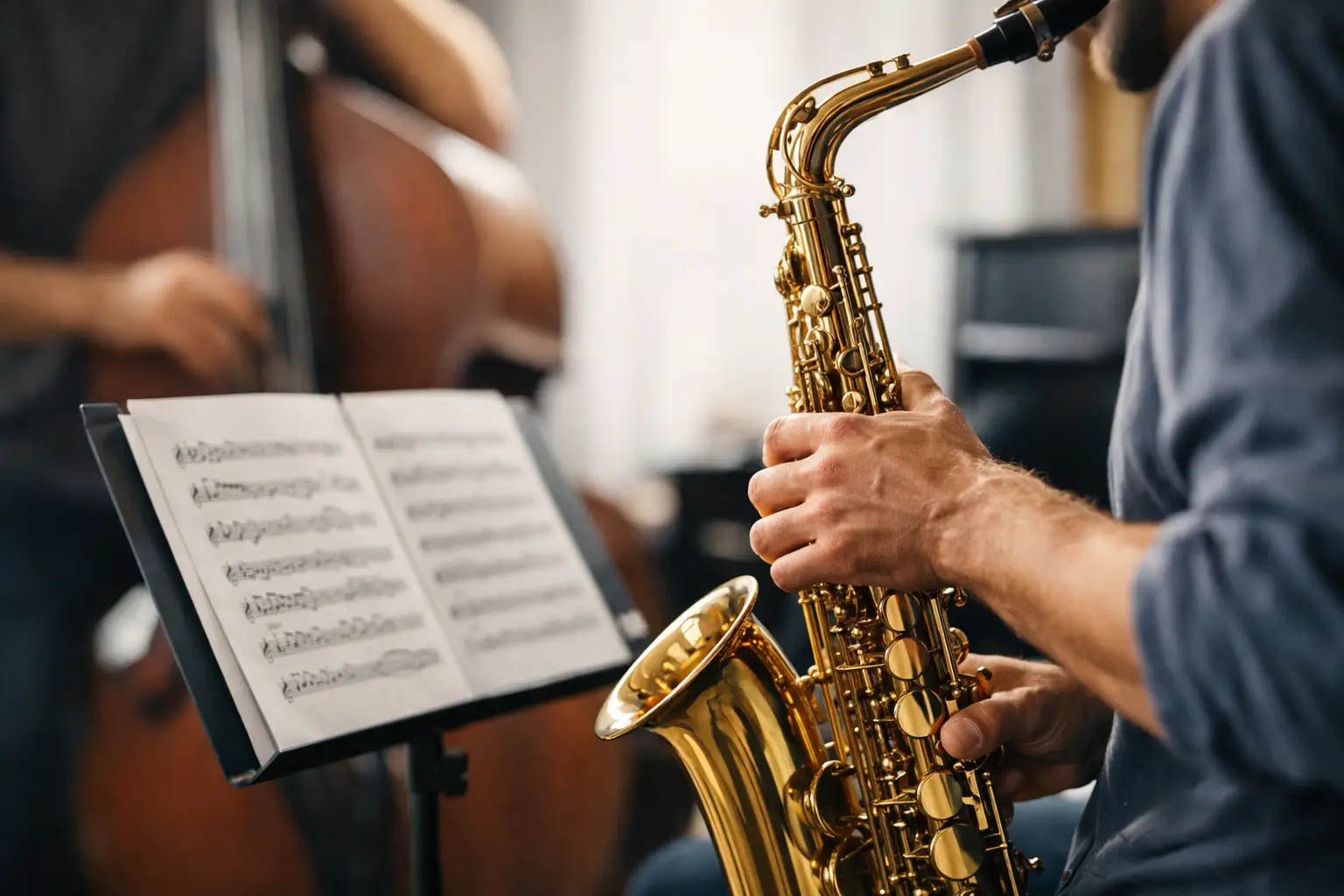
How to Practice Jazz Fluency That Sticks
Learn how to practice jazz fluency with clear, repeatable drills that build vocabulary, ear training, recall, and real-time musical response.
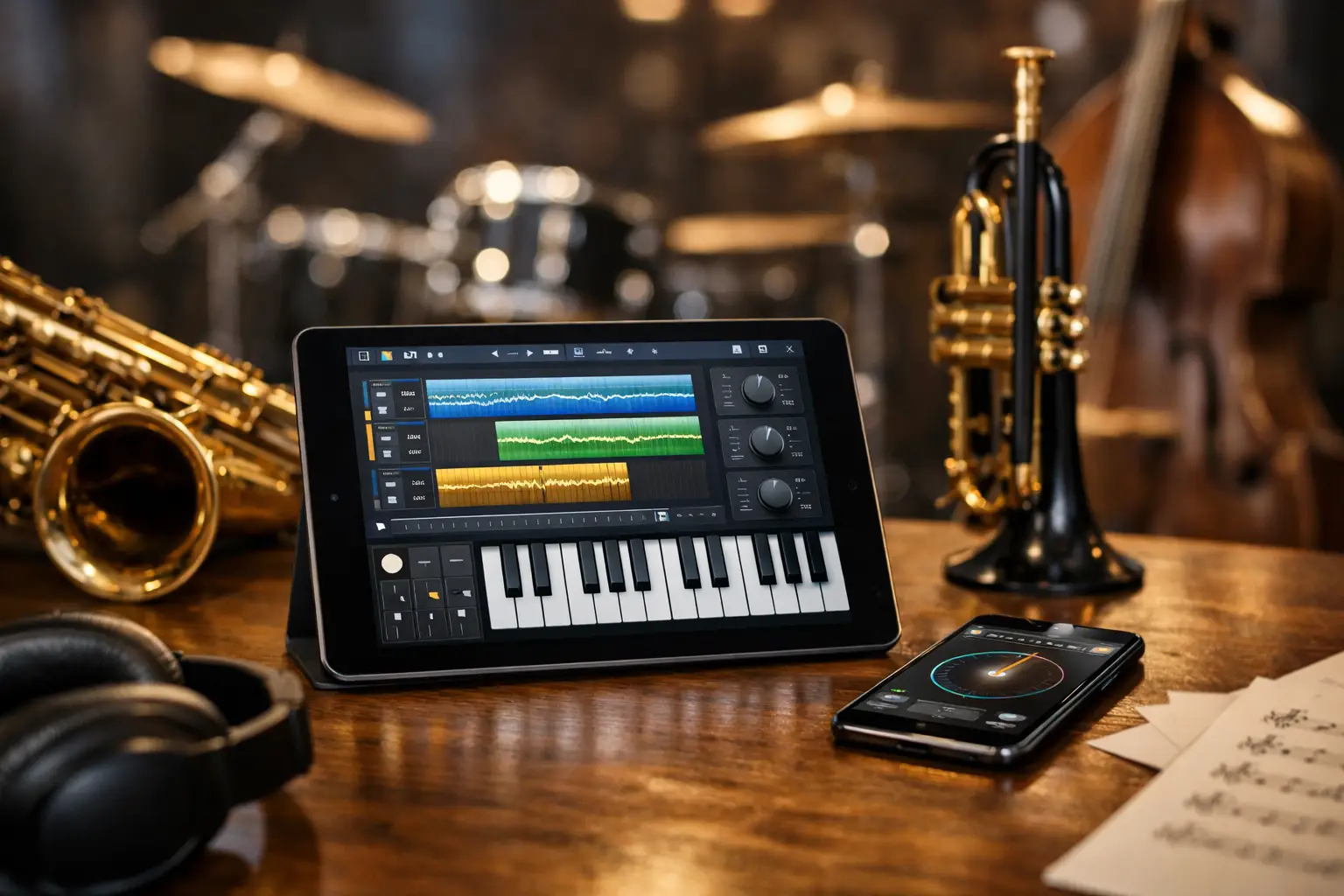
10 Best Apps for Jazz Musicians
Discover the best apps for jazz musicians to train ear, rhythm, harmony, and practice habits with tools that make real progress feel playable.
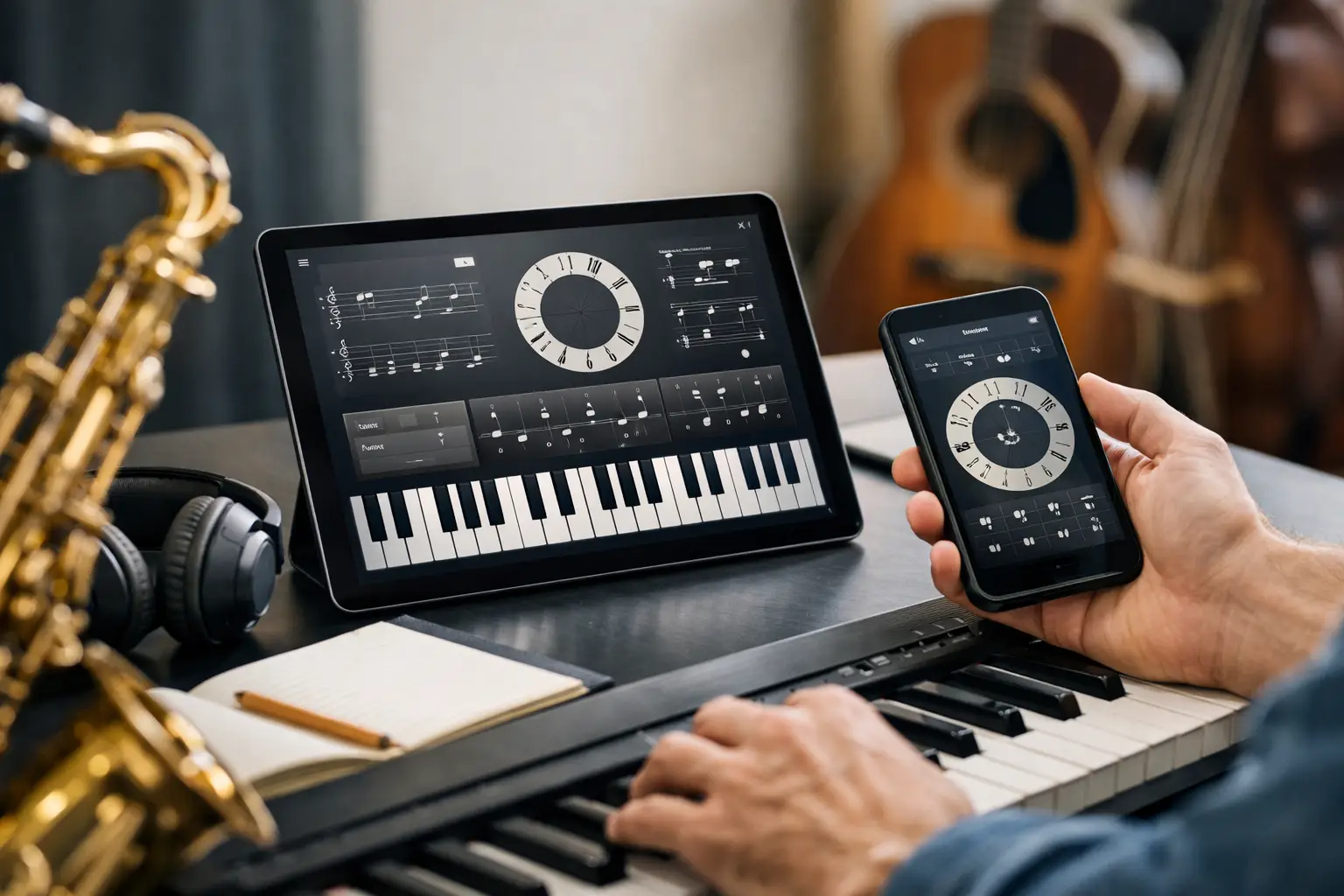
9 Best Jazz Theory Apps for Real Progress
Looking for the best jazz theory apps? Here are 9 options that help you hear, practice, and actually retain jazz concepts with less friction.
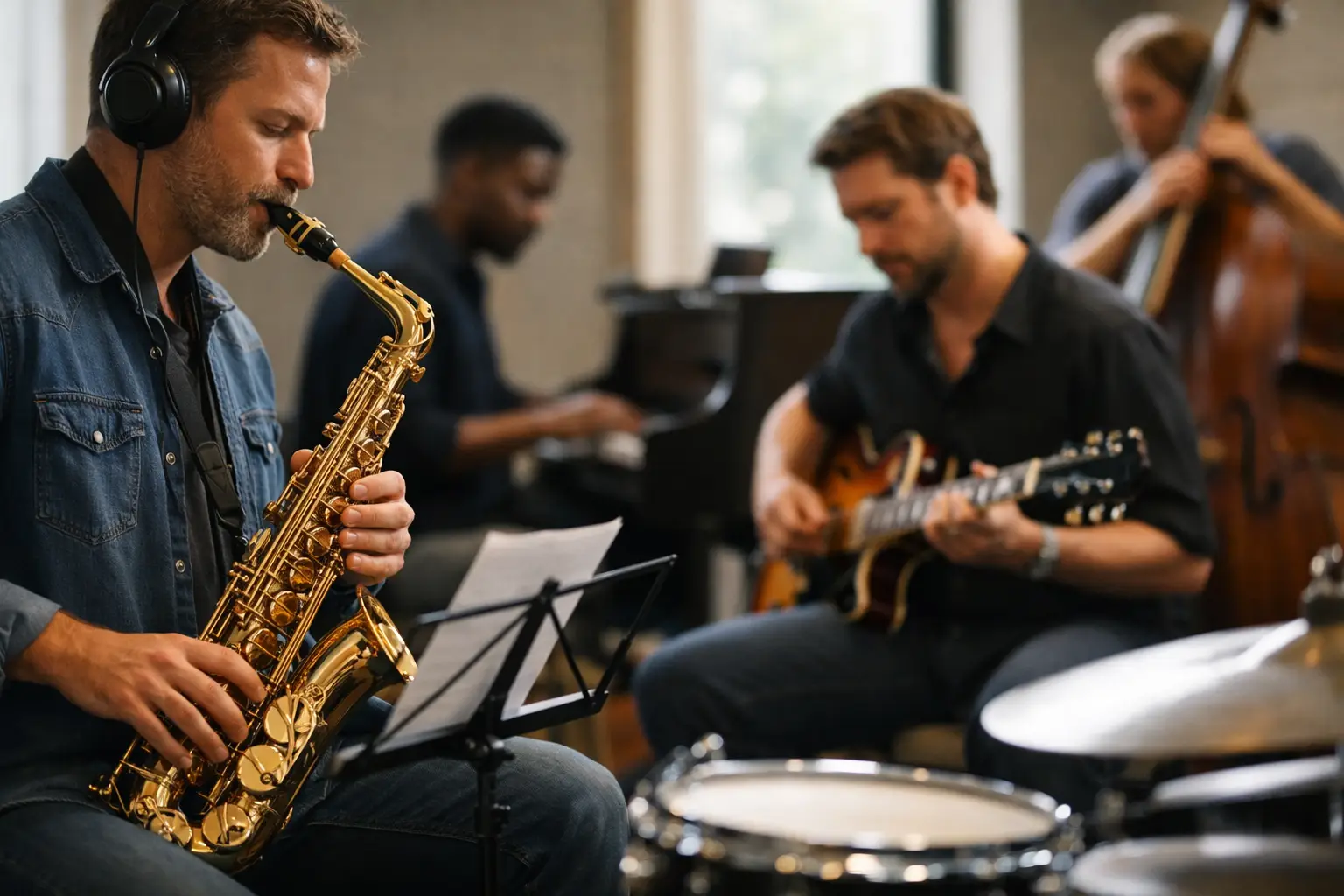
How to Practice Jazz Improvisation Well
Learn how to practice jazz improvisation with a clear routine that builds rhythm, vocabulary, ear training, and confidence without overwhelm.
Jazz Practice Routine for Beginners That Works
Build a jazz practice routine for beginners with clear steps for time, ears, rhythm, chords, and vocabulary so practice feels focused and fun.

12 Best Jazz Standards for Beginners
Looking for the best jazz standards for beginners? Start with easy tunes, clear forms, and strong melodies that build real jazz skills fast.
Is Jazz Hard to Learn? The Honest Answer
Is jazz hard to learn? Yes and no. Learn what actually makes jazz difficult, what gets easier fast, and how to build real fluency.
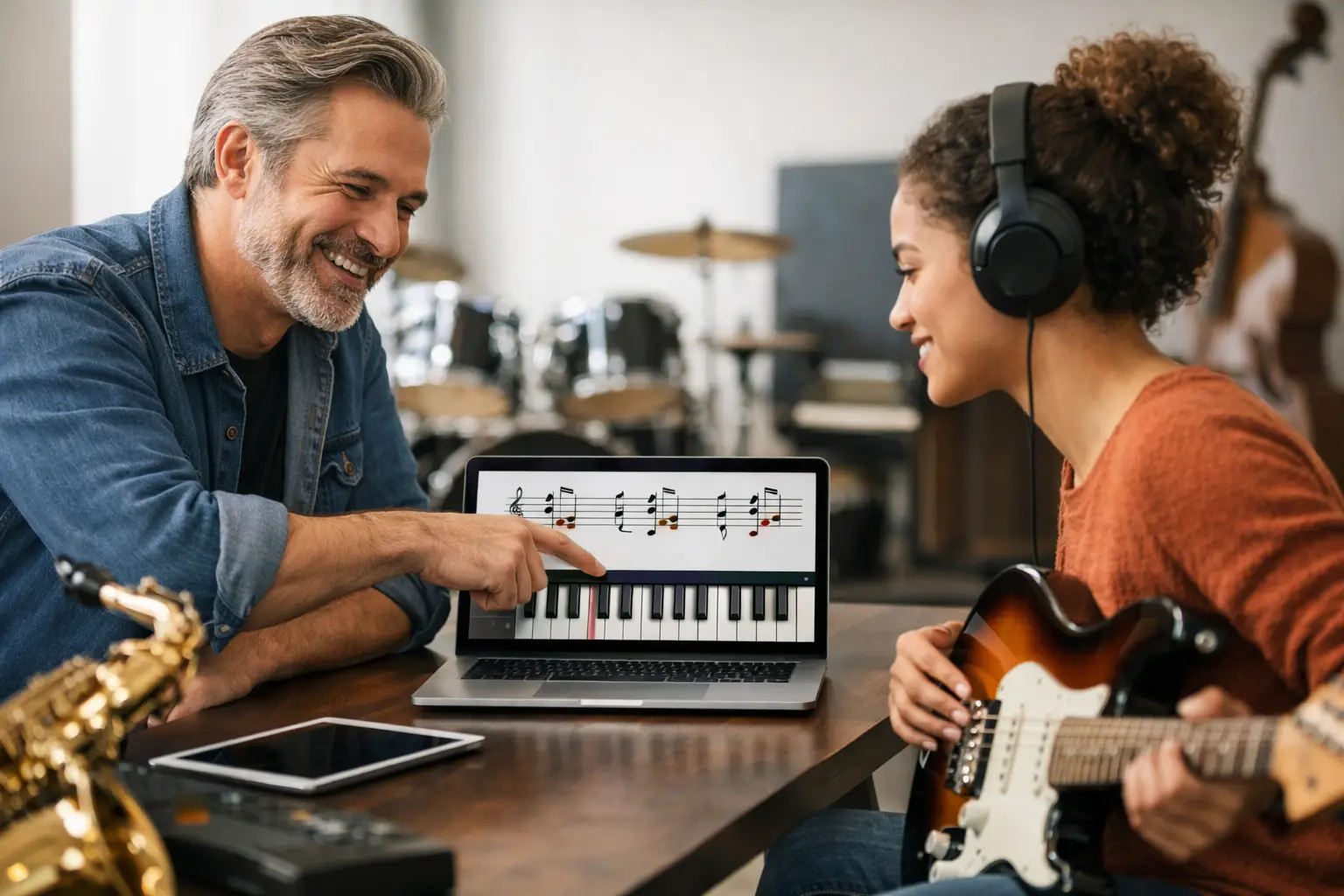
Why Interactive Jazz Theory Lessons Work
Interactive jazz theory lessons turn abstract concepts into repeatable practice, helping musicians build fluency, recall, and real musical confidence.
How to Build Jazz Vocabulary That Sticks
Learn how to build jazz vocabulary with a clear, fun practice system. Train your ear, hands, and timing so ideas show up naturally in real playing.
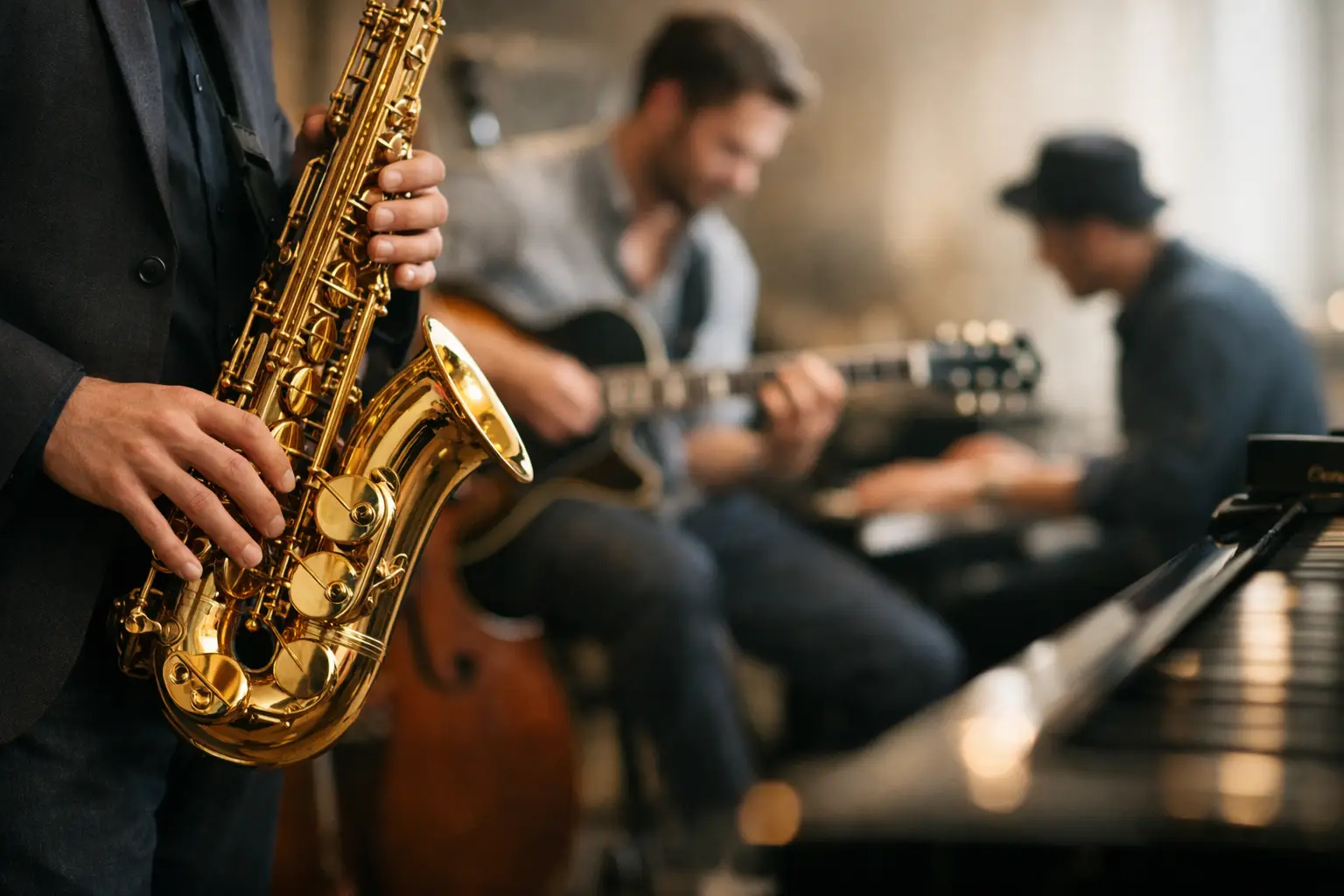
Beginner Guide to Jazz Improvisation
A beginner guide to jazz improvisation that makes soloing less intimidating with clear practice steps, ear training, rhythm, and vocabulary.
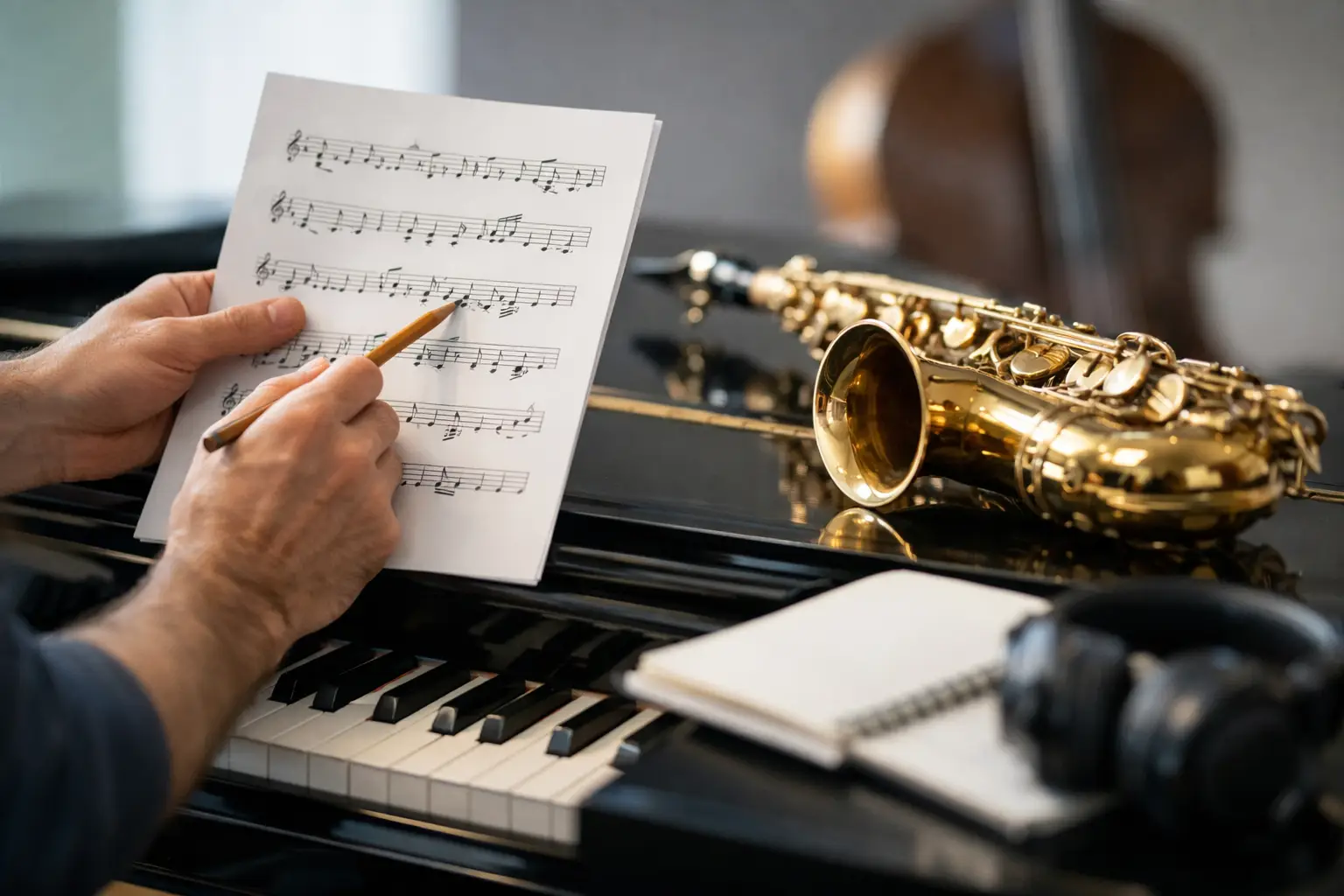
Jazz is a language: Learn and practice it in a fun and innovative way
learn the jazz language with a clear, step-by-step method for building vocabulary, hearing patterns, and improvising with confidence.